
Last week, we explored how AI can enhance lesson planning helpin us as educators to create engaging and personalized content while also saving us hours with our families. This week we are taking a different look at technology as it continues to evolve. We need to talk about how we make sure our use of technology is responsible. Then we need to look at our online reputation as educators and how to make sure that it remains intact. So this week we will be taking a deep dive into the importance of digital ethics and online reputation in education.
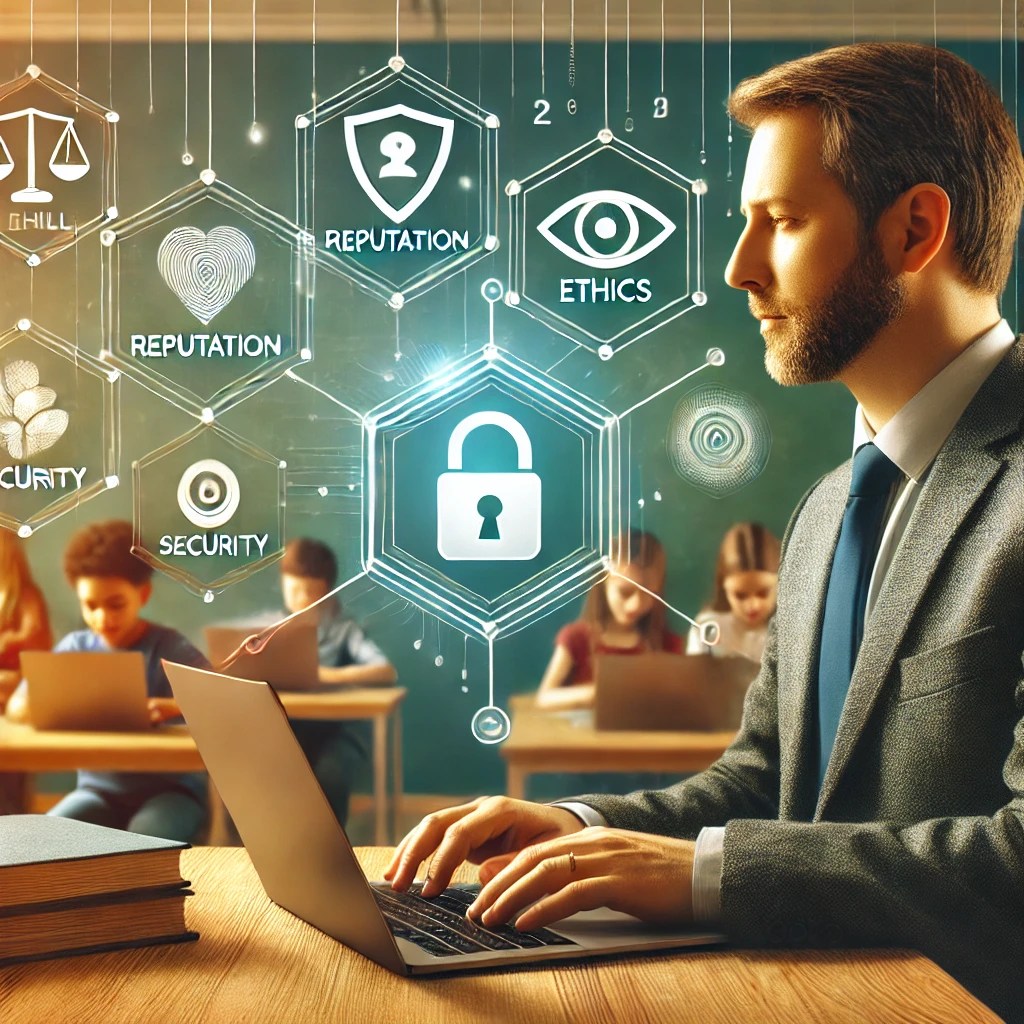
Understanding Digital Ethics in Education
Digital ethics often refers to the responsible and fair use of technology. While technology can be a valuable tool, it can also raise many ethical concerns educators need to be aware of:
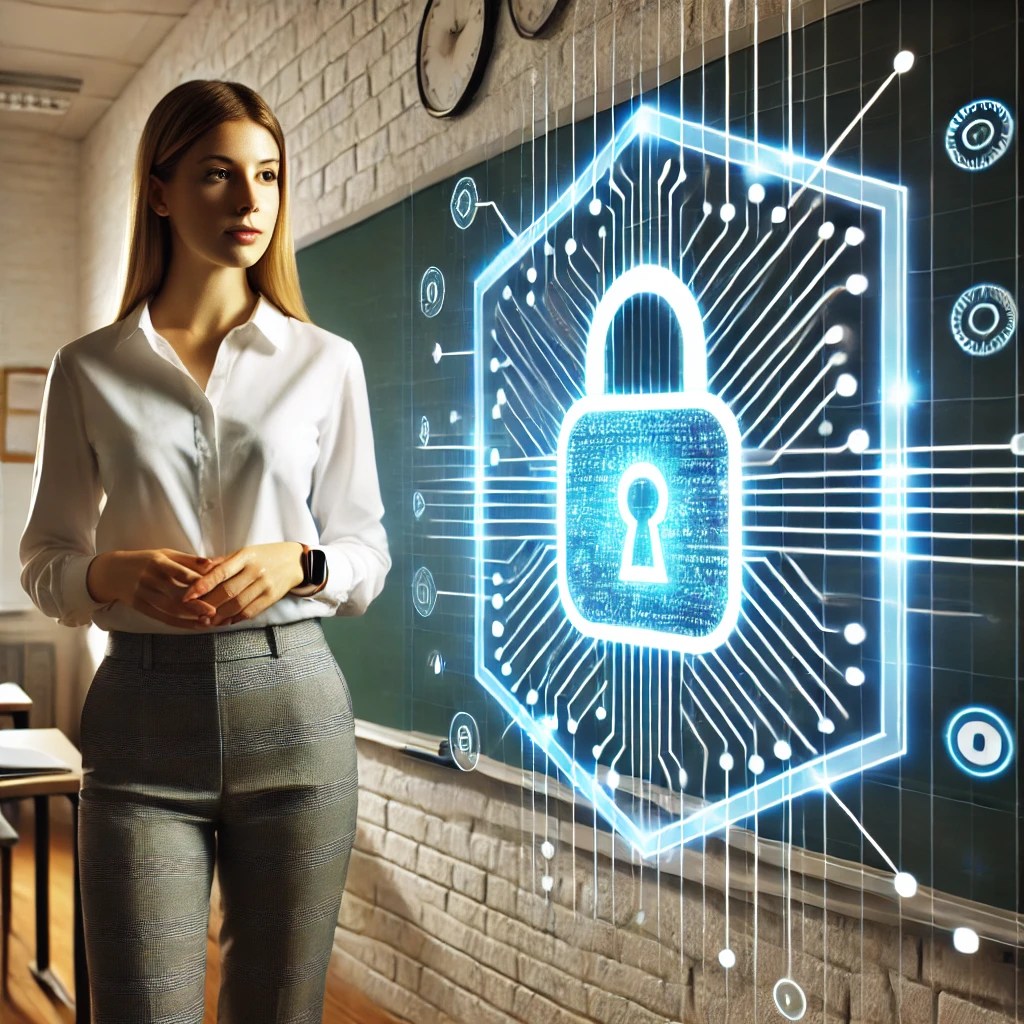
- The first such concern relates to overall data privacy. Digital tools we use in the classroom often collect user data to improve their functionality. As an educator we need to be cautious about sharing sensitive student or personal information.
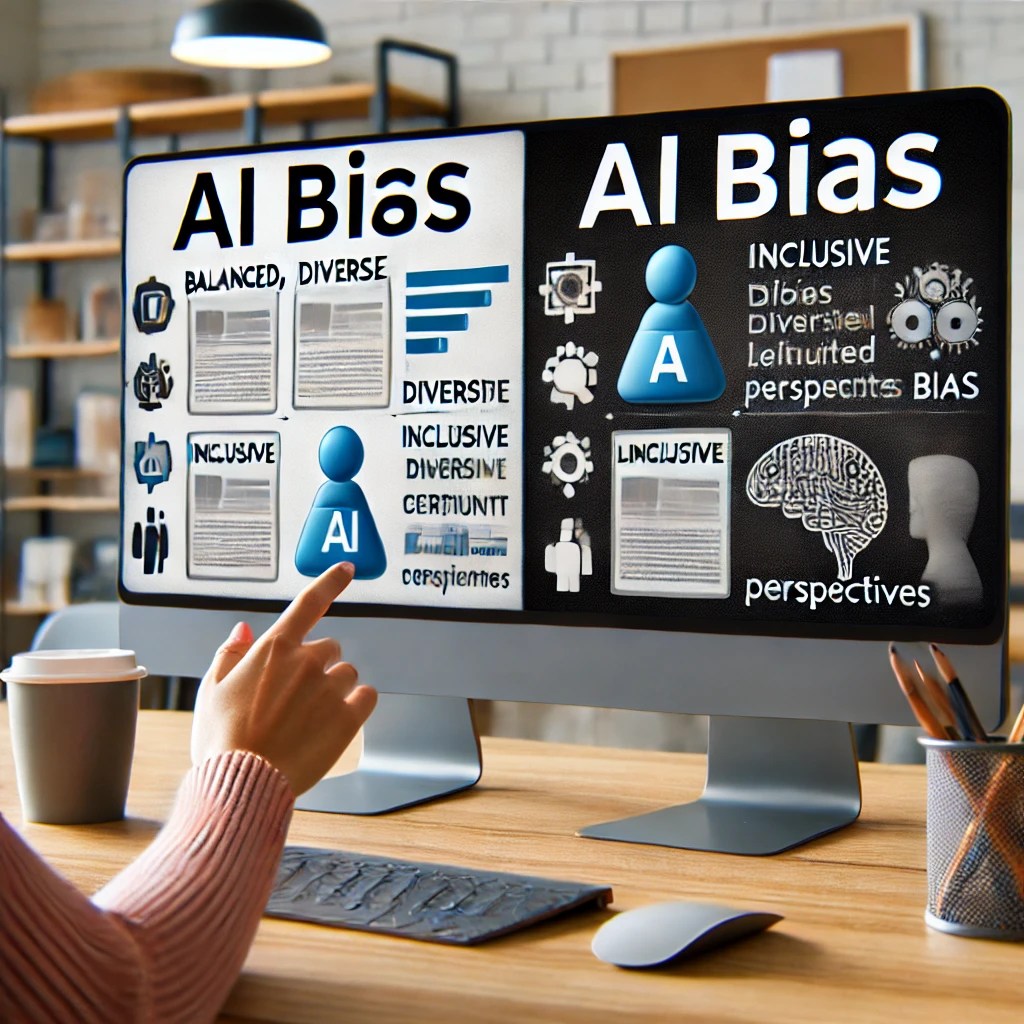
- The next concern we need to address is bias. As we use more and more educational technologies we will encounter technology that uses algorithms which may often reflect biases. This makes it highly important for us to evaluate recommendations about digital tools critically to ensure they are both inclusive and fair.I don’t know about you but I had no idea that
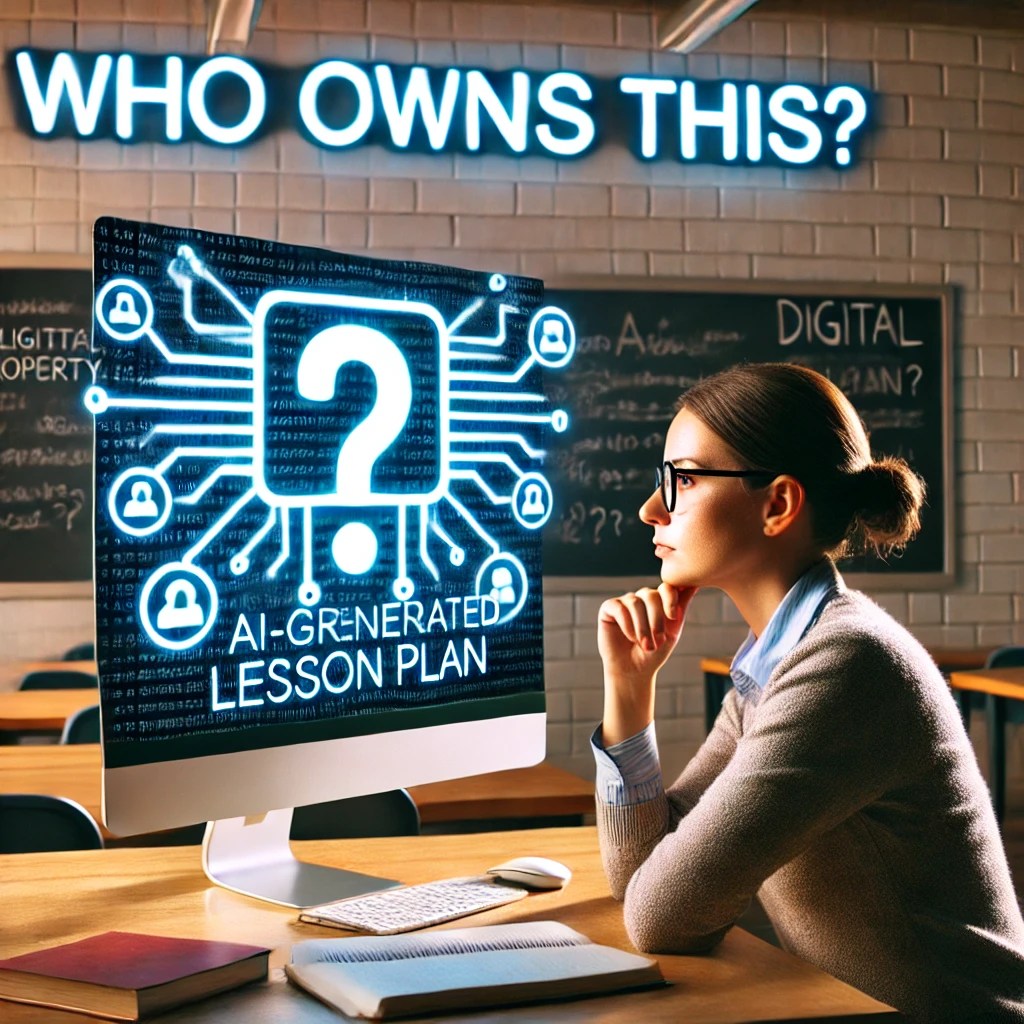
- The last of these concerns I wish to address is IP. Meaning Intellectual Property aka Who owns digital content created using various tools? This is something directly linked to what we were discussing the other day. You can generate a lesson plan but does that mean it’s yours or that you own it? As educators we need to review copyright policies and consider how the technology generated materials fit with academic integrity.
The Importance of Online Reputation
The next thing we need to look at is our online reputations. It used to be that your reputation was what people said about you who knew you. Now because of all the reach of the digital world we have to consider our lives beyond the in person. We have to ensure that we are maintaining a positive online reputation. As educators we are expected to be role models for students so much so most of our contracts say something about us being community role models. Our digital reputation is quite literally something we can lose our jobs over. We need to be diligent about our digital footprints. Here are some key points to consider:
- Your digital footprint matters. Everything you share online, from social media posts to lesson plans created with digital tools, contributes to your online reputation.
- Technology use comes with real risks. We can not become over reliant on technology as it can lead to inaccurate information being spread as misinformation or even mean that we are using biased content without any objectivity.
- Social Media Awareness has to be a top priority. Educators have to be mindful of how they engage on social platforms as their jobs may depend on it. Not only do we need to be responsible but we have to avoid controversial and divisive discussions in public forums as they can damage our reputation and even cost us the loss of our jobs.
How to Maintain Our Digital Integrity
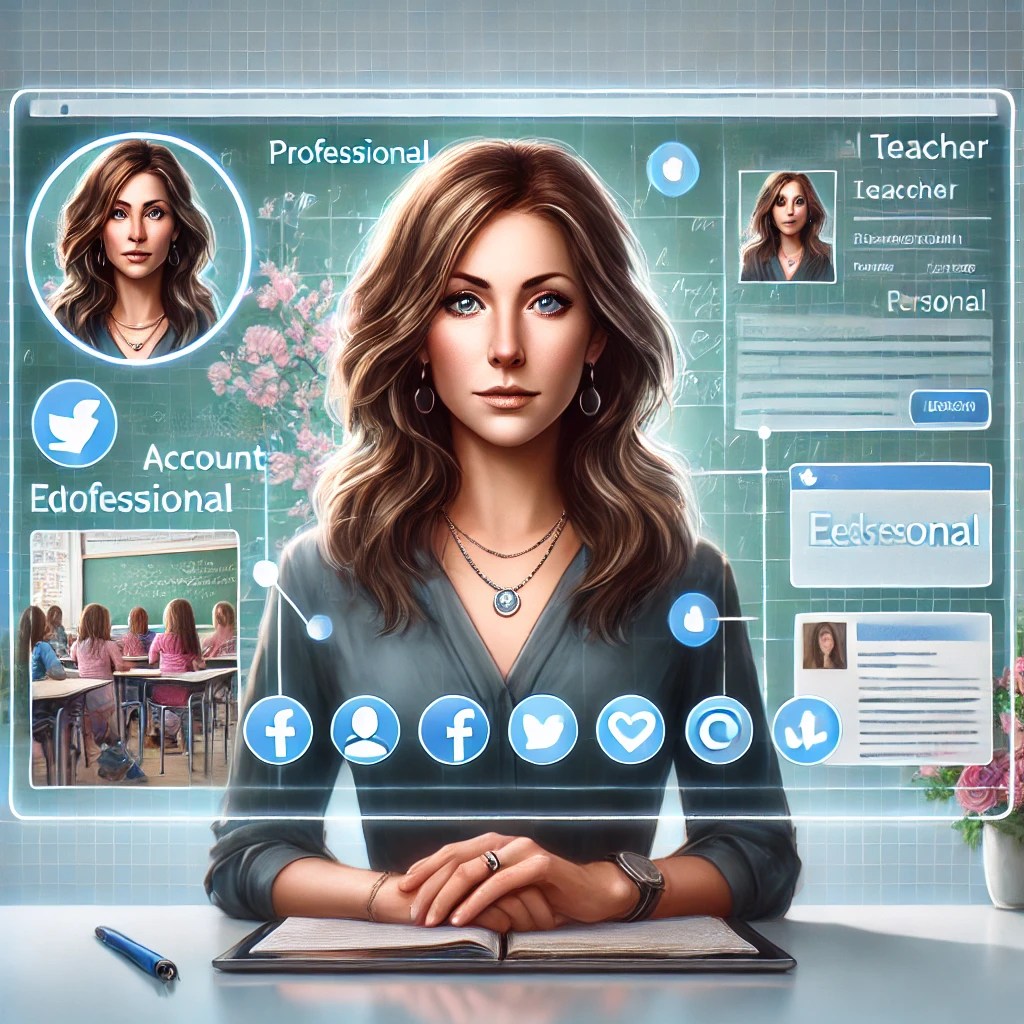
We need to maintain a strong professional reputation to do so we must do a few key things: make sure we review digital content, model digital responsibility, and also maintain a professional presence online. Digital tools like Magic School AIcan assist in lesson planning but as educators we should always review, refine, and adapt materials to meet student needs. We need to be ethical when using technology and ensure we are citing digital resources appropriately and make sure to discuss AI limitations and how to vet a source with students. Another consideration we must have is that privacy settings for social media, and digital tools we need to ensure we are mindful of our public posts, and also that we consider creating separate professional and personal accounts to allow us to keep personal and profession separate.
We also need to encourage these practices with our students. We cant forget that we play an important role in teaching students about digital ethics. Students need to be taught to evaluate digital content for bias, reliability, and accuracy. They also need to understand technology and AI can be a great tool for inspiration because it shouldn’t be used as a shortcut to bypass thinking critically. We also need to promote responsible online behavior. As we guide students we can help them to build a positive digital footprint where they learn to make thoughtful choices about what they share online to protect their future careers.
What steps do you take in orderto make sure that you have ethical technology use in your teaching? Please take a moment and share your thoughts below!

 The Easy A
Leave a comment