
Guest Speaker: Adam Buffum
As educators, we are constantly looking for ways to create meaningful learning experiences for our students. In order to do this we are balancing collaborative learning with independent students. We must focus on helping our students work together effectively while also building their confidence as individual learners. Today, I’m excited to welcome Adam Buffum, who brings a unique perspective on this topic, having started school in the U.S. and finished in Germany. He moved to Germany with his Father in 2nd grade as his dad was stationed there.
Adam’s experience will help to show you some key instructional differences between the two countries, especially in how students engage in learning, use technology, and prepare for future career paths. While Germany’s system is distinct in many ways, there are valuable takeaways for primary educators who wish to integrate hands-on learning and technology.
Collaboration & Independence: A Powerful Balance
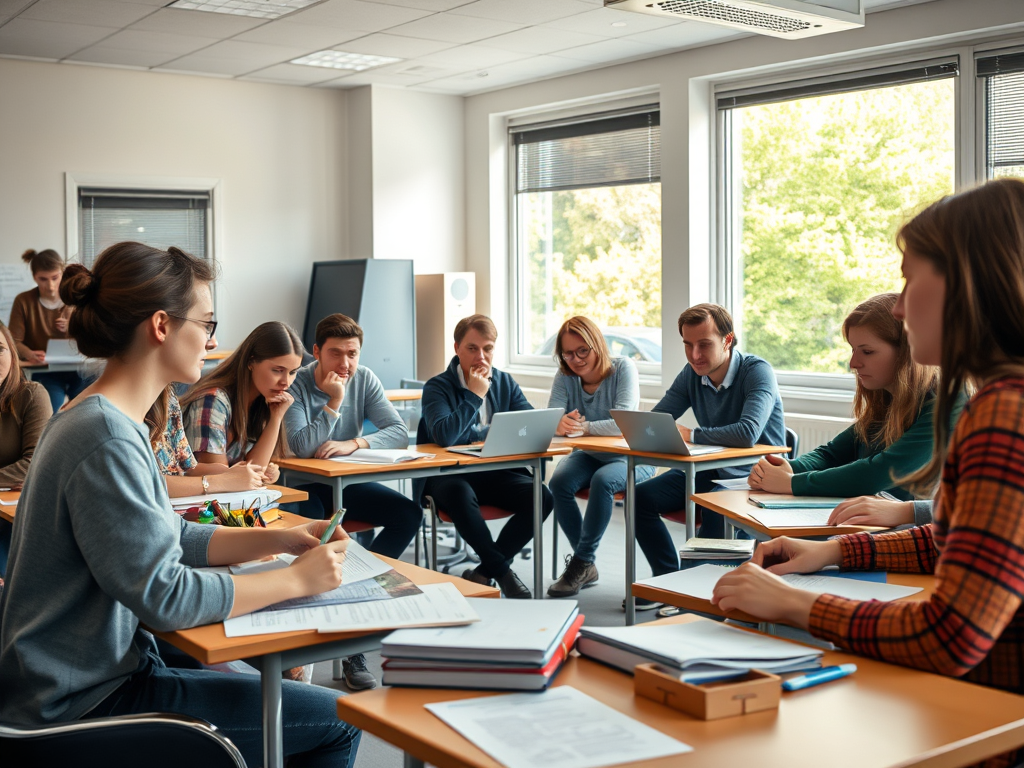
One of the most surprising aspects of Adam’s experience in Germany was the large emphasis on collaborative learning. In every class he went through there was a portion of the course which he was required to complete at least one heavily weighted collaborative project. These projects weren’t just busy work. He explained how these projects were highly academic and how they often had to give an oral presentation when they presented these projects. He described that he believed that these projects were highly necessary to students’ grades and how he thought they really did provide both an enjoyable and important learning experience.
Despite the high emphasis on collaborative learning at the same time, Adam did state that the German schools seemed to encourage independent thinking. He discussed how the students were taught how to vet sources and think critically, even though digital literacy instruction was at a minimum compared to here in many areas of the States. I believe that this balance allowed for structured teamwork with individual research and accountability. That from what he describes it ensured that students were prepared for both academic and real-world challenges.
Key Educational Differences From Adam’s Perspective
Adam’s experience also sheds light on some fundamental differences between German and American education systems:
- Technology Use
Unlike many U.S. schools where students have one-to-one access to laptops, Chromebooks, or tablets, German students used a shared computer lab. While technology was present, it wasn’t as integrated into their daily learning or even their summative testing. Instead, students relied on traditional research methods and classroom discussions for learning. Technology was not used for research until upper grade levels. - Digital Literacy
In Germany, digital citizenship was only briefly covered across subjects. While students were taught to evaluate sources, there was little structured instruction in areas like online safety, responsible internet use, or digital etiquette. This is taught differently school to school here in the states making it hard to compare but in my particular district I feel we have a more comprehensive focus on this area. - School Tracking System
Perhaps the biggest structural difference was how students’ academic paths were determined. After 4th grade, students were placed into one of three tracks based on their GPA:- A labor track with a minimum of 9 years(for basic labor careers).
- A mid-level academic track (for skilled trade or technical careers).
- A university pathway (for those pursuing higher education). This system meant that students’ futures were largely shaped early on—a stark contrast to the more flexible U.S. system.
It is important to note, however, that students could work to reach a different track throughout their educational careers.
Bringing These Insights into Primary Classrooms
So how can we apply these lessons to our primary classrooms? Here are a few takeaways:
- We Need to Prioritize Collaborative Learning
Even at the primary level, students benefit from working on meaningful group projects. No matter if these projects are hands-on STEM challenges, class-wide research projects, or structured discussions, fostering teamwork early builds essential skills for the future. - We Need to Foster Independent Thinking, Even whenTech was Limited
Not every school has one-to-one technology, but that doesn’t mean students can’t develop research skills. Teach students to gather information from books, conduct simple investigations, and evaluate sources through guided instruction. - Create Opportunities for All Students to Succeed
While we don’t have the same rigid academic tracking as Germany, ensuring every child has a path to success is crucial. Providing differentiated instruction and multiple ways to demonstrate understanding can help all students find their strengths.
Final Thoughts
Adam’s educational journey offers valuable insight into how different systems cultivate learning. While Germany’s model has distinct differences from the U.S. as it appears to be structured on collaboration and fostering independence is something we can all incorporate this into our classrooms and over the years there has been a shift in this direction.
As primary educators, we need to remember that we have the power to shape learning experiences that prepare students for the future. We have the ability to decide if this is through collaborative projects, critical thinking activities, or strategic use of technology. We can use all of these and a healthy balance could be key to a well rounded education. By taking inspiration from global education models, we can then continue to refine and improve our teaching practices.
How do you integrate collaboration and independent learning in your classroom? I’d love to hear your thoughts in the comments!

 The Easy A
Leave a comment